
Hold People Accountable
I used to struggle getting people I was leading to do things. When I was a young foreman of a roofing crew I was a dictator. Do this, do that, and do them now! I counted lunch breaks down to the second.
It kind of worked, but it was stressful. My team would put up with it for a while, and then I could see they would shut down.
I wasn't open to feedback. I was afraid of letting my boss down by not getting the work done on time. I wanted to succeed.
I think the word "frightened" is key. I didn't feel comfortable explaining what was going on and asking my team for ideas.
It wasn't until years later, running U-Flow, that I started to change. For one thing, I couldn't do everything. I needed people to have their own ideas. But how?
What really kick-started me was the ISO 9001 certification. Part of the quality process was setting up employee-led teams to generate ideas. I was petrified. What if they said nothing? What if they said something?
ISO 9001 forced me to go ahead with it. I'll never forget the first team meeting. It was with the production team. They had a ton of ideas. They were so happy expressing them. All I had to do was write them down and ask them how to prioritize them.
One example was a faster way to verify incoming part quantities. The team set an action to test using a weigh scale to do this. It worked, we implemented it as an SOP and saved hours every day.
After that, there were many times the teams surprised me with their enthusiasm.
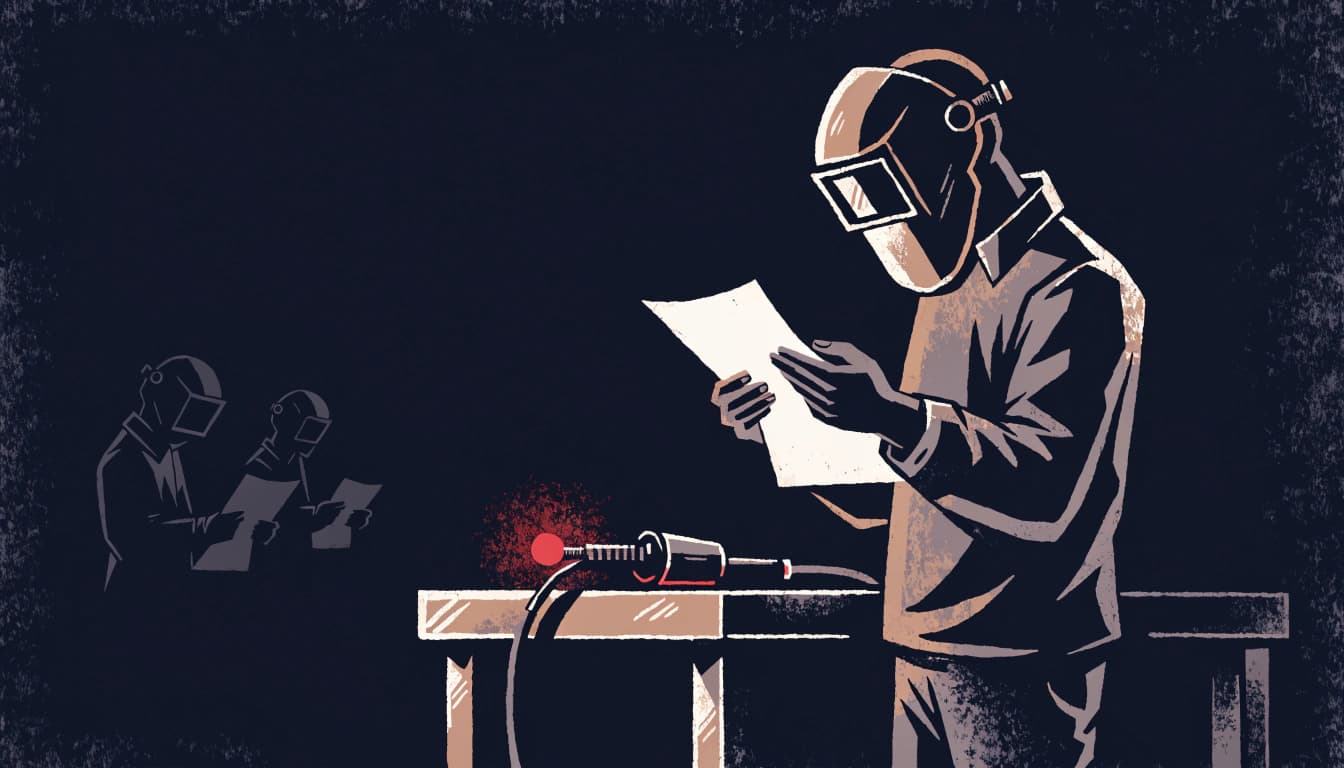
One time was when we had just started getting weekly data reports, scorecards from our fancy new database. I took the welders' performance numbers and went out to present them. Welders are a different bunch. They drive big Harleys, have lots of facial hair, and just look scary. I thought they would kill me.
Anyway, I went out, put a page of performance data on each welder's workstation and didn't say a word. Not a thing. All the welders ignored the sheet of data. I walked around the corner and looked back, and all the welders had grabbed the sheets and were actively looking at their performance.
They wanted to know how they were doing. I learned that people want to "know the score." There was satisfaction in it.
To make it work there was no blame. I just presented the data.
That scorecard is what made everything that came later possible. Once the crew could see the score for themselves, I never had to be the one delivering bad news. The numbers did that. All I had to do was ask what they wanted to do about it.
Daniel Pink makes the same point in Drive: carrots and sticks get compliance, but people work hardest at things they've chosen to own. David Marquet found it on a submarine — push the authority to the people who have the information, and they start behaving like owners. I found it on a shop floor with a stack of scorecards and a room full of welders.
If dictating doesn't work and I can't do everything myself, how do I get people to take ownership of the work — and hold them accountable without it being a fight?
You're probably thinking: my crew isn't going to volunteer for anything. If I stop pushing, nothing gets done.
That's what I thought about the welders. I was wrong. Nobody pushed them to read that sheet. They picked it up because it was about them.
If pushing people doesn't work then listen to their ideas. When it's agreed to go forward, turn the idea into an action. Then hold people accountable for the action they asked you to hold them accountable to.
It's their accountability, not yours.
As time went on it became easier to be a leader. Why? Because every time I wanted to get something done I would present the scenario to the team. Then keep quiet and listen to them. Answer questions when they had them.
I'd guess nine times out of ten they would come up with a great idea and an action. When they didn't, I would ask them open questions until they figured it out.
The beauty of this is it was their ideas. Not mine. So at the weekly action item list meeting, the only thing I needed to do was hold them accountable to what THEY said they wanted to be held accountable for.
It was their idea. They were accountable. All I was doing was checking in.
The foreman who counted lunch breaks to the second was working a lot harder than the guy who wrote down the team's ideas and checked back a week later. Only one of them was leading.
One next step: This week, take one problem you'd normally solve yourself and put it in front of the people who do the work. Present the situation, then say nothing. Write down what they decide and the action they commit to. Next week, ask them how it went. That's the whole system.
Further reading:
- Drive: The Surprising Truth About What Motivates Us — Daniel H. Pink (Riverhead Books, 2009). Why autonomy, mastery, and purpose beat carrots and sticks — the ownership transfer that makes self-requested accountability work.
- Turn the Ship Around! — L. David Marquet (Portfolio/Penguin, 2012). Moving authority to the information: ownership pushed to the person doing the work.
- Six Rules for Designing Company Goals — Molly Graham (Lessons, Substack, 2026). One accountable owner per metric and a consistent review cadence — how to formalize self-requested accountability into trackable goals.