
Culture is a lagging indicator of relationships
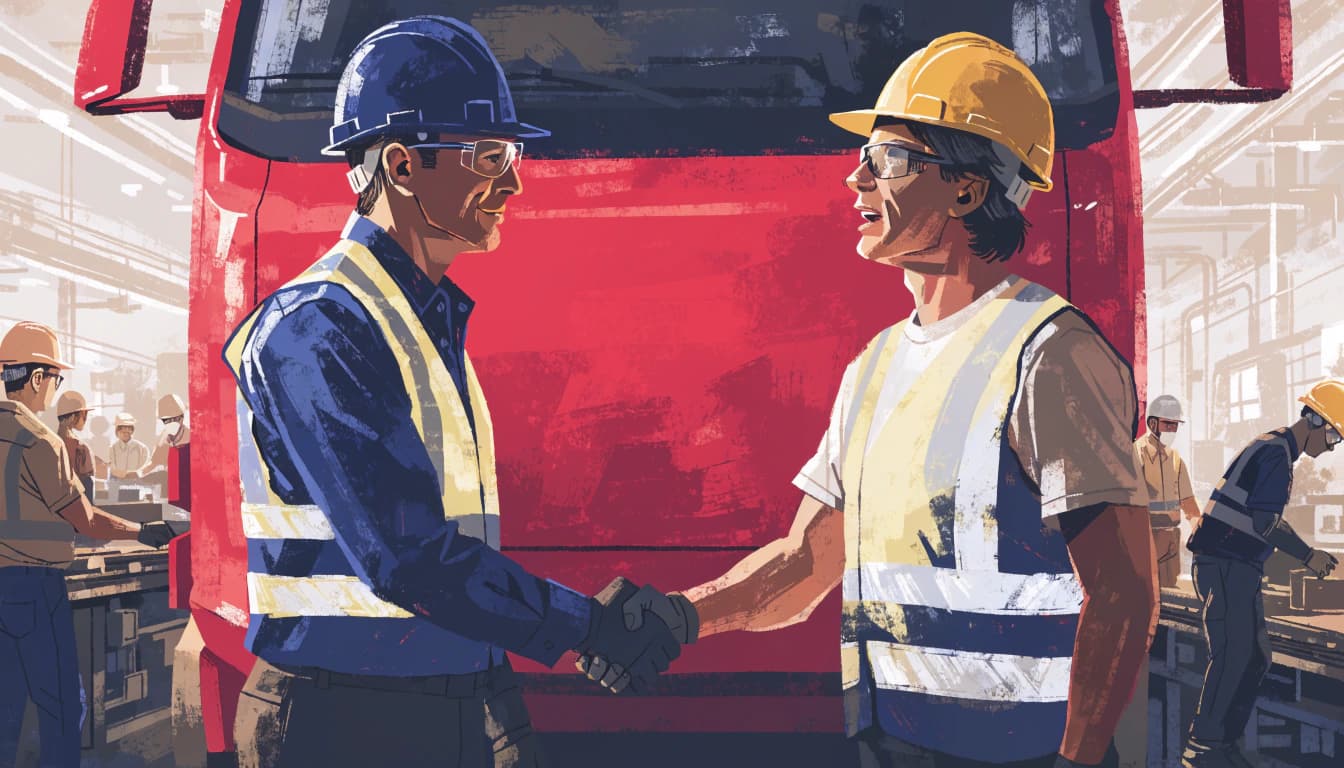
Your ops manager has spent two years trying to buy one badly needed truck. Everyone agrees he needs it. The specs keep bouncing. That isn't a purchasing problem. It's a team that can spot problems but can't land the fix.
These shops have the technical know-how. What's missing is follow-through: someone decides, someone owns it, and it gets done. The root cause? Often, it's a culture of silos and learned helplessness - people have great ideas, but lack the relationships and empowerment to drive them forward.
In situations like this, it's tempting as a consultant to swoop in and solve the problem yourself. I could have gone up the org chart, mandated the truck specs, and unstuck the logjam. But that teaches nothing, and when you leave, the organization slides right back to its old ways.
The real challenge is not purchasing one truck - it's transforming the underlying culture that allowed a simple capital request to drag on for years. And culture, as we know, is notoriously resistant to top-down change.
So how do you shift culture in a way that actually lasts? How do you get people to take ownership, and more importantly, how do you get an organization to believe in its own ability to change?
The key is that culture is a lagging indicator of relationships. You don't change culture first - you start by building trust one person, one interaction at a time.
With the ops manager, I resisted the urge to jump in and "fix it." Instead, I asked open-ended questions - drawing out his expertise, helping him reframe the problem, and ultimately letting him take the lead. A few weeks later, he had something to celebrate: a shiny new truck, spec'd and ordered through his own initiative.
This is the essence of "doing things that don't scale" in an industrial setting. It's investing in individuals, empowering them with new ways of working, and letting them experience the thrill of driving change themselves. It's slow, painstaking work - but it's how you reprogram culture from the inside out.
If you're the owner, the truck is a test. If it only gets bought when you step in, every stalled request in the building will wait for you — and you'll keep getting pulled back into the operation you were supposed to have moved up from.
As a leader, this means:
- Stepping back and giving your people room to think and do
- Setting clear expectations, but letting your team set their own deadlines
- Following up consistently
- Celebrating wins (and productive failures)
- Continually looking for opportunities to delegate and empower
You may not be able to overhaul culture by decree - but you can transform it one relationship at a time. And that's how enduring change is made.
Further Reading
- "The Neuroscience of Trust" by Paul J. Zak (Harvard Business Review)
- "The Power of Habit" by Charles Duhigg
- "Leaders Eat Last" by Simon Sinek
- "Turn the Ship Around" by David Marquet